Songs & Borders
Being a son of immigrants, I am still figuring out what it means to be Israeli. I am not exceptionally different in my multi-identity, and neither is Israel. The issue of identity has been the issue of the twentieth century. Israel is a tiny country. However, understanding its complex narrative and diverse inhabitants takes more than a lifetime. It is a land with no man's land agenda. Borders made on the map around a round European table soon became mental boundaries between communities, families, and individuals. In Songs and Borders, my main interest is people and their specific self-identity and genealogy. When individuals and communities are experiencing a growing disconnection, Songs & Borders asks to address these issues by bringing us closer to ourselves, our identity, tradition, surroundings and nature, our beliefs, aspirations, and each other. Therefore, I have been working in the country's north for the last year, researching historical narratives and political situations and observing how these are embedded and expressed. Through a careful process of identity exploration, we welcome the human body and dreams, a shared space full of stories, rituals, tensions, wounds, and hope. We ask to listen, understand, and embody different narratives without fear of losing our own by giving a voice to diverse communities that share the same space. We ask to challenge and redefine structures and concepts of borders, borders between different communities, within communities, and within ourselves. We ask to address the concerns of identity and the archetypal figure of the human form through the guise of geographical, social, and political events. To create and inhabit a space that lends itself to individual expression within a communal creation.
-
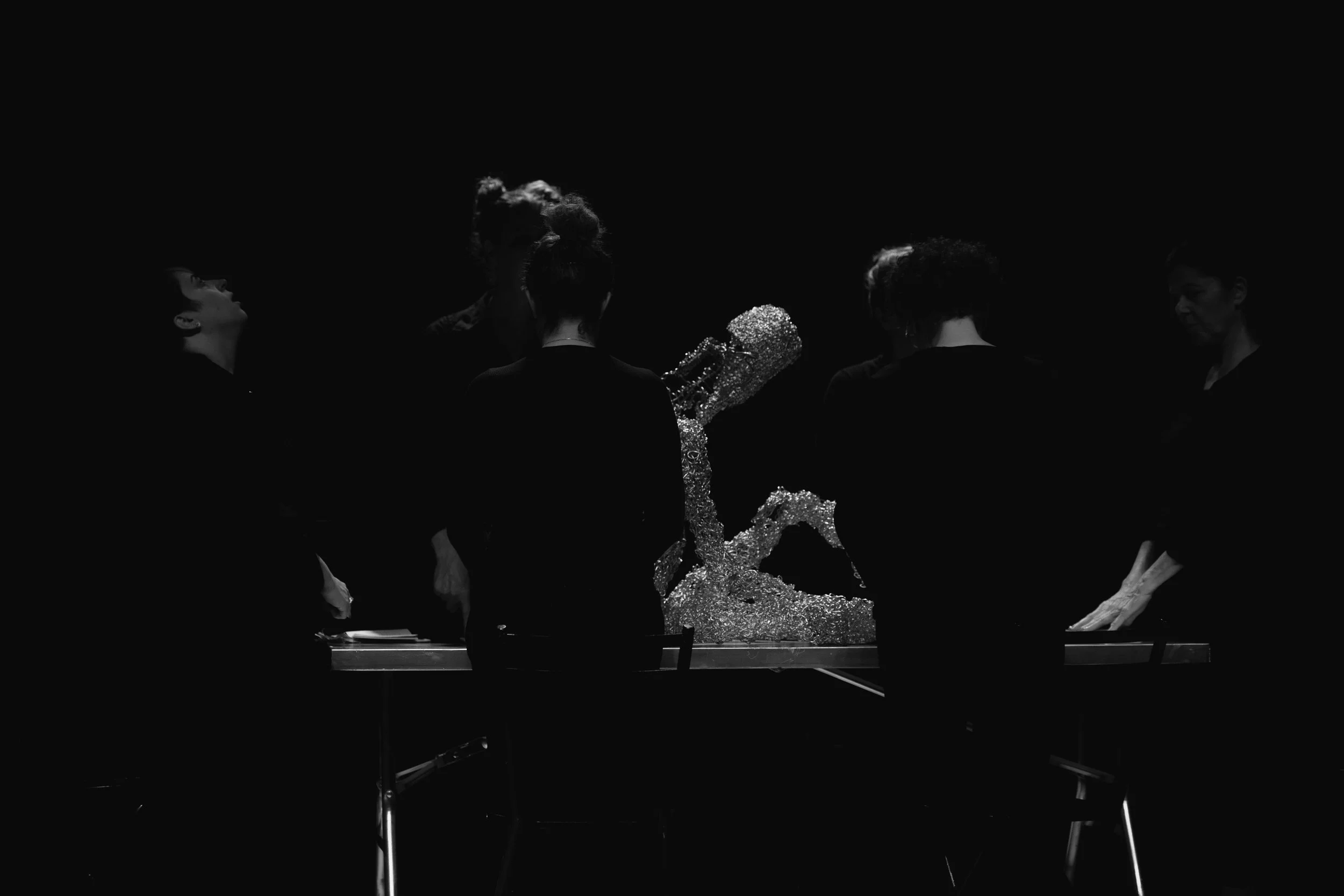
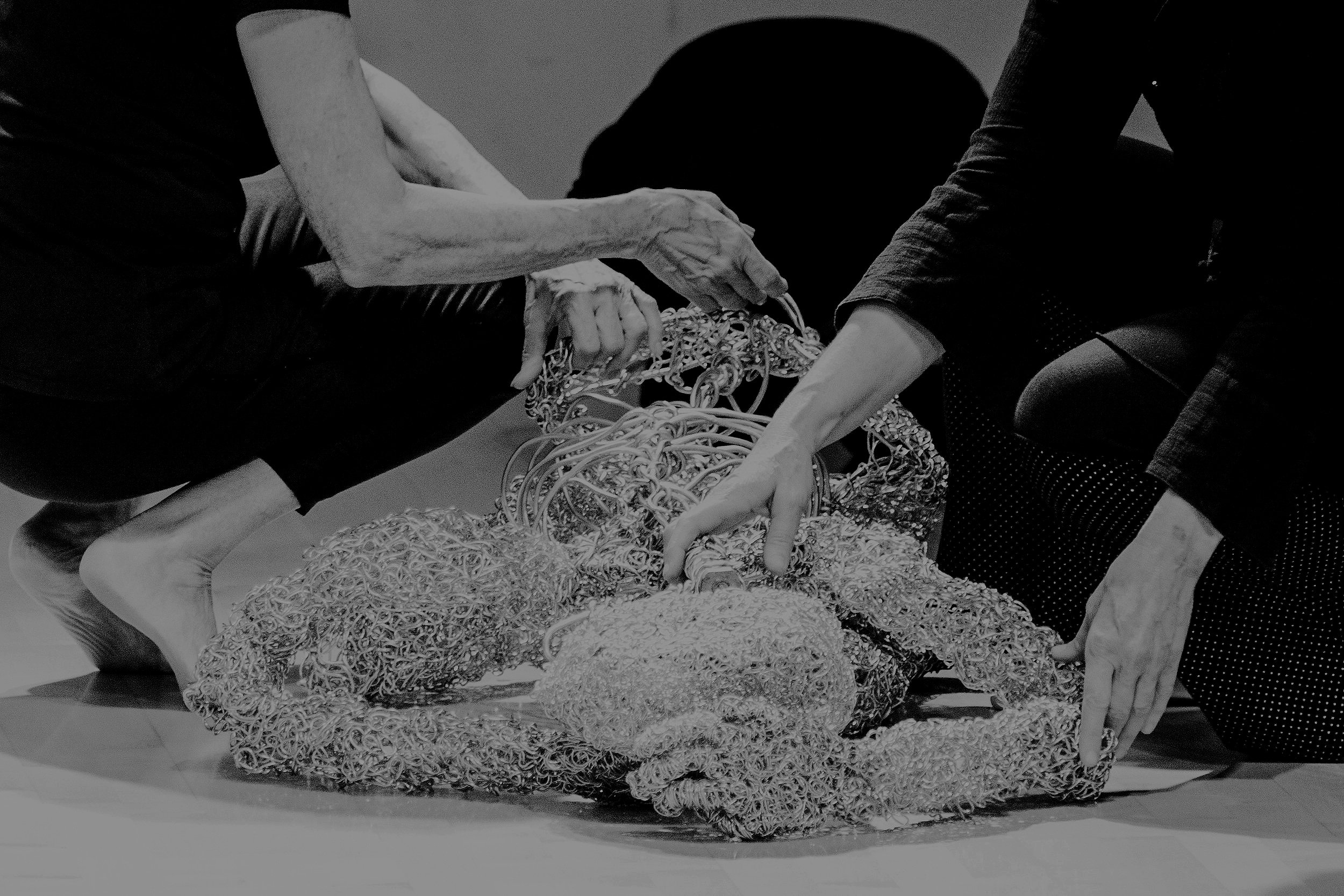
The North of Israel is home to disparate Ethnic and religious communities: Palestinian Muslims (Sunni), Lebanese Maronite Christians, Arameans, Syrian Druze, Circassians, Bedouins, Sephardic, and Ashkenazi Jews. These populations exist in a common geographical space but a reality of multiple narratives, tension, and mental boundaries. Songs and Borders involves six voices who represent their different local folkways. The work traces various aspects of movement and human expression, gradually unraveling the unique layers and narratives carried and expressed through the lived body. Each woman embodies her personal story and reflects on her culture. We consider/question our points of view and sense of belonging through text in local dialects, physical expression, singing, and visual arts actions. Together, we learn how knowledge is produced and disseminated and challenge their individual and collective boundaries. We examine narratives that differ in their political landscape but share human urgency and agency. We ask how to share specific mutual historical events that vary in their meaning and try to figure out our connection to the fallen, the land, loyalty, war, and peace. My artistic agenda was to work with non-professionals. Only there can we get closer to the truth about the place and life. I chose to work with women as they are the silent guardians of the tribe, mercifully carrying the next generation and working to change the fate of their children. The interdisciplinary work includes contemporary composition, choreography, storytelling, video, and audio documentation with ethnographic and ethnomusicology research. The process and the resulting work will allow for a melting pot of cultures, languages, and mediums, from which a new cultural/social understanding will be forged.
-
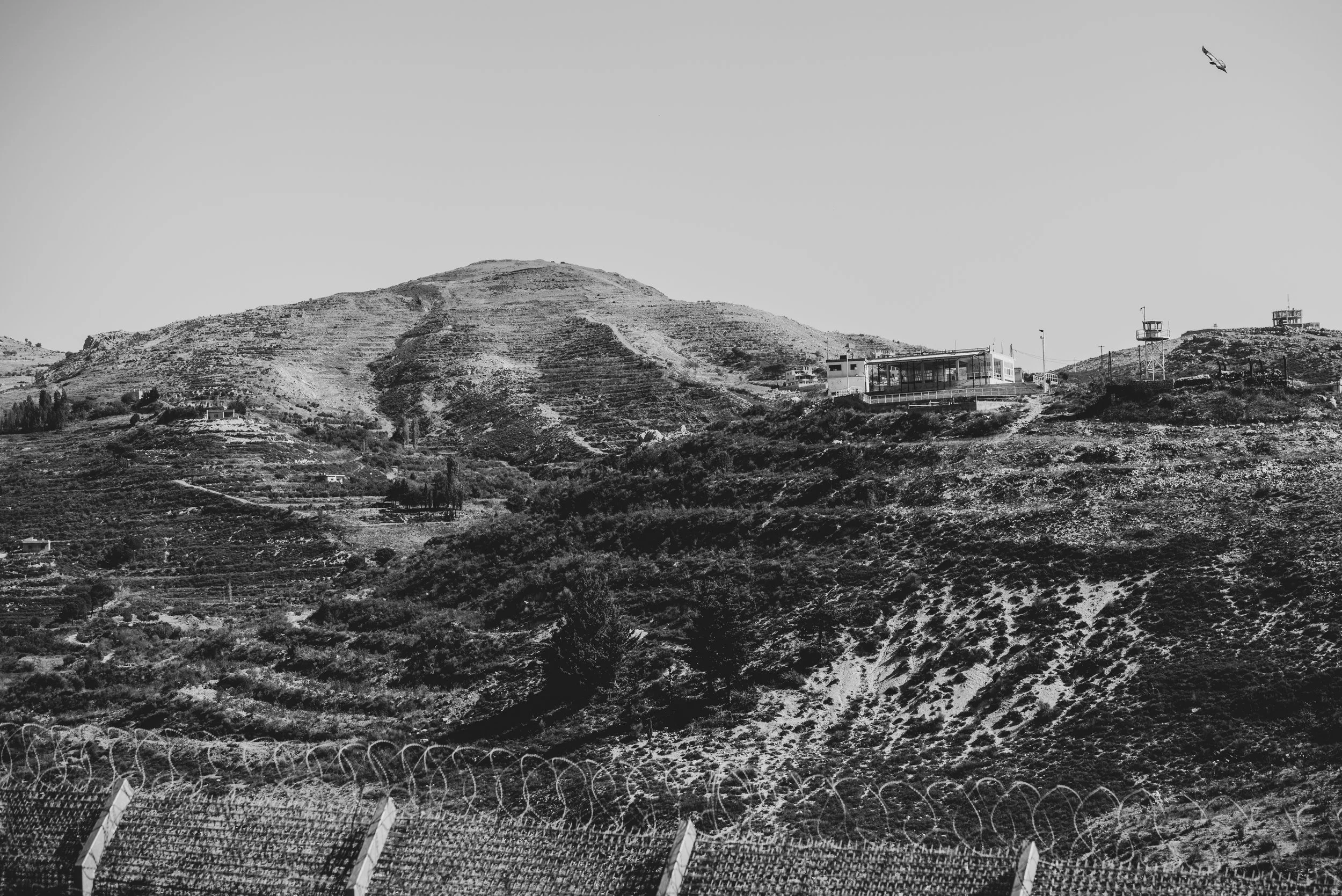
Our bodies are defined and margined by the boundaries of our skin, within the limits of our thoughts. Within the lines of clothing, edges of walls, houses, neighborhoods, cities, countries. From one point of view, borders are marked lines in the ground and define political, social, and economic activities. From another perspective, boundaries are mental objects of dominant discursive processes that have led to the fencing and separation of space and people from each other. The project seeks to give voice to various forms of thought within the country's northern borders, learn, listen, think, and challenge boundaries.
-
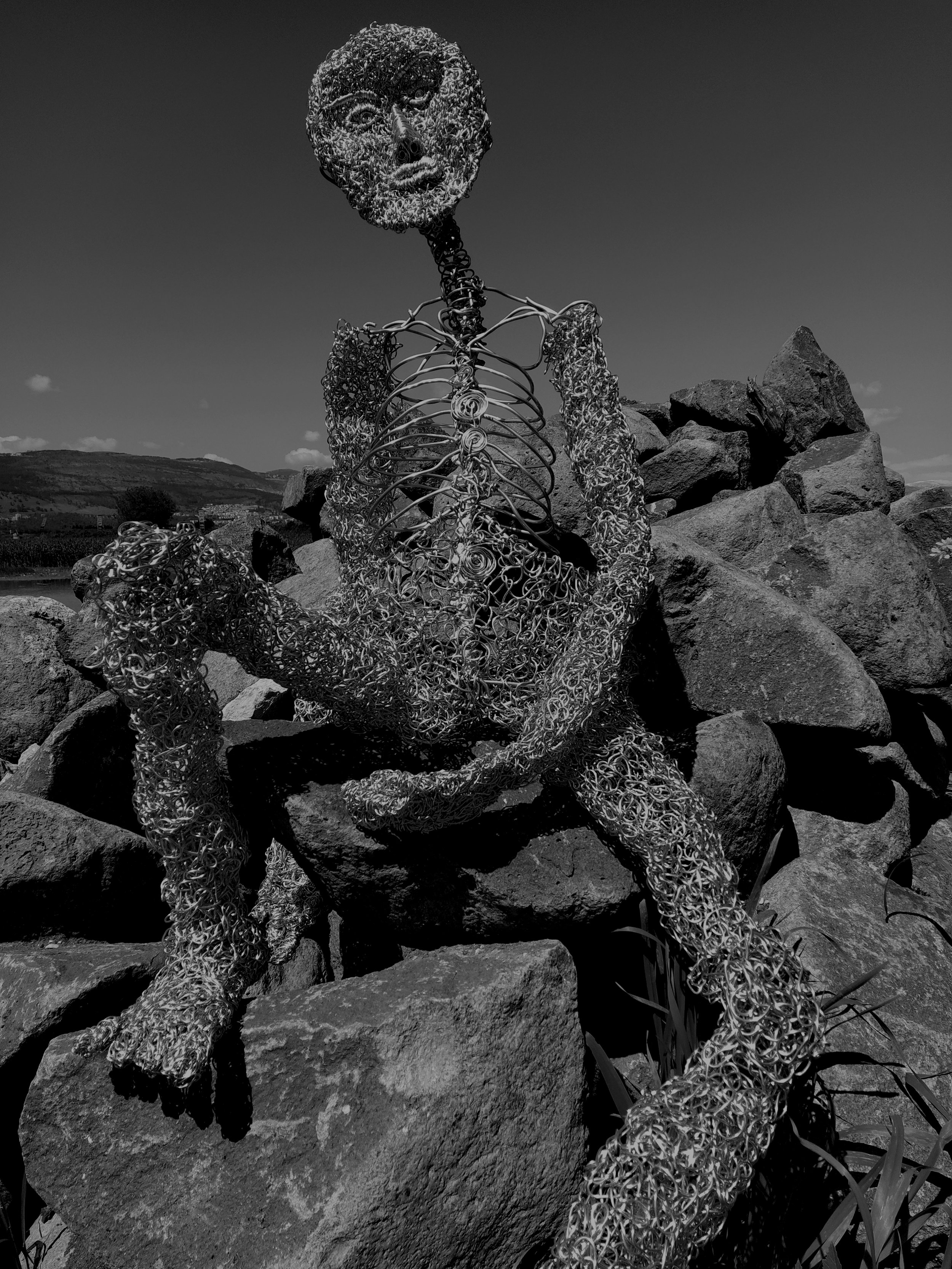
A body can think. A body can disassemble. Can bend point of view. Resonate. Can listen and ask. It can be perfect in its imperfection. A body can be cultural, political, or personal. It could be a rock. Can tell a story, be tagged, pray to the wall, be hurt. A body Can sing an old song. The project will trace and embody the various aspects of movements and techniques as tools for human expression. Different corporal aesthetics, rhythms, iconographies, texts, and songs reflect the tradition and daily life of diverse cultures in northern Israel. Where are memories in the body? What is the politics of the gaze on the female body in the various cultures? How do different cultures perceive the place of the body in their narrative? What is the physical expression of human joy, awakening, sorrow, and grief in other cultures?
-
At moments of great distress or joy, people reach out to find something bigger than themselves, to bring them beyond the current moment into a timeless experience. This urge often takes the form of a prayer. When praying, a person faces the world by connecting with oneself, thus understanding something significant about the nature of being. It is an act of moral and conceptual introspection, allowing time to slow down and attention to flow inward. A person can express the most intimate relationship to existence through these deeds, channel trust, doubts, awe and love, acceptance, and protest. While culturally specific in form, prayer is a broadly human action, a primal cry of the heart. One could find prayer as a form (technique) of knowledge that travels across time and space in ways deeply influenced but not entirely determined by social power relations. From acting to soccer, martial arts to ballet, battling to lovemaking, the development of new embodied techniques continually demands new mappings and understandings of the body. Every method has roots in the human body—our capacities for rhythm, speech, vocalization, movement, empathy, imagination, and more.
Participants
Rab’a Halabi
I was born in 1977 into a conservative, religious Druse family in the village of Majdal Shams which was in Syria until 1967 when it was occupied by Israel during the 6 Day War. My parents are therefore Syrian-born, while I am Israeli.
The conflict surrounding the status of Druse women influenced me and weighed heavily at many crossroads during my life.
I currently work in my profession as a qualified multidisciplinary complementary medical practitioner.
Developing personal treatment that combines both the worlds of Thailand and China as well as four-hand treatment.
*Opening doors…crossing borders in my profession as a therapist: spreading peace and unconditional love – that is my belief.
Rab’a is a Druse woman and ambassador to the World Peace Council.
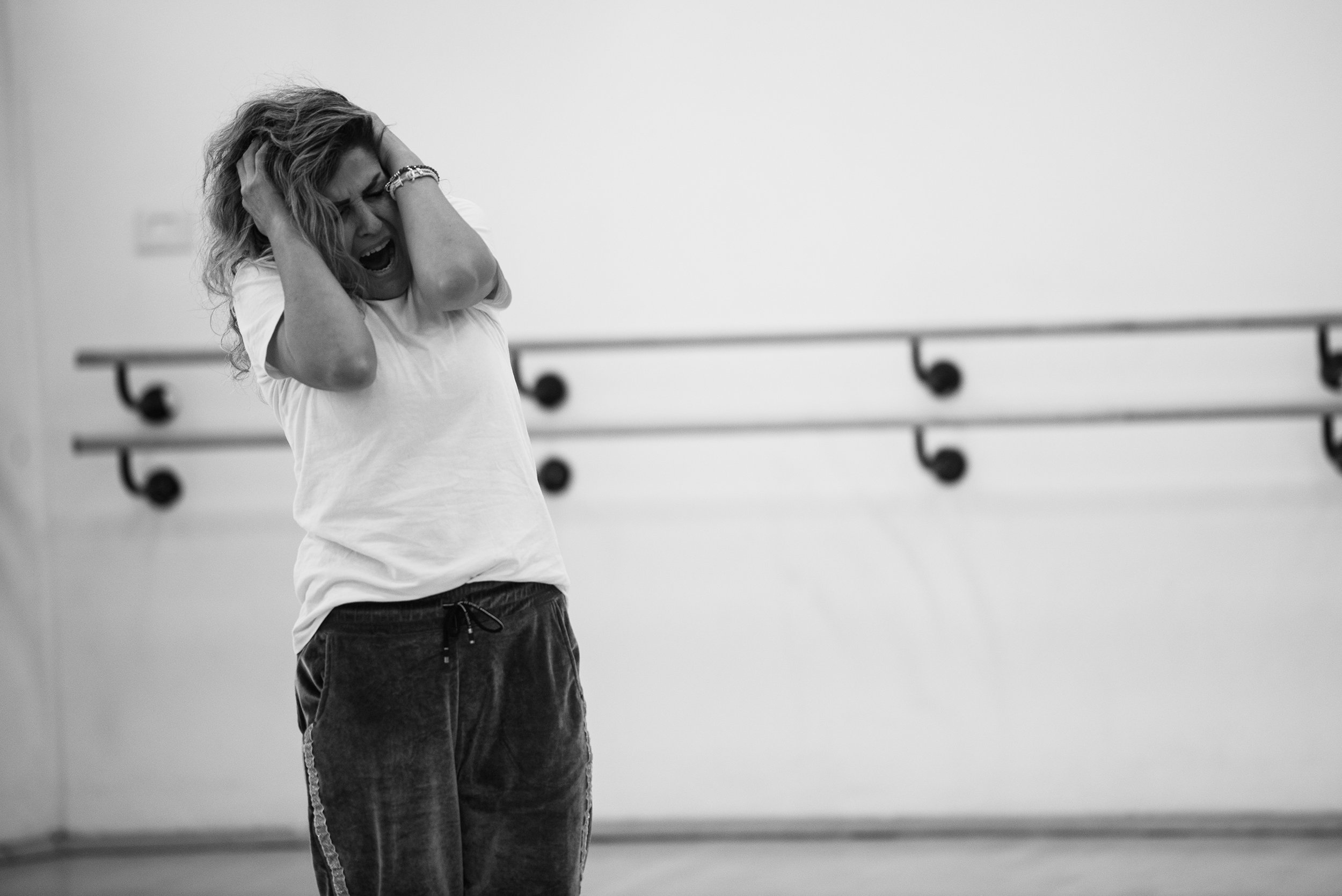
Ronit Nachmias
initially named Frederique Eugenie, was born in Algeria. Following Algeria’s independence from France, the family moved to Paris where she went to high school and studied theatre at Firmin Gemier in the town of Antony. She also participated in the student demonstrations in 1968.
When she was 16 her parents, religious Zionists, joined a group which came on aliyah to Israel and settled on moshav Ramot Meir. As part of her desire to integrate into Israeli society she changed her name to Ronit and moved to the agricultural boarding school “Kanot”. After completing her studies and despite her religious background, she felt the need to enlist in the army and served during the Yom Kippur War on Ramat Hagolan.
The performing arts had always been the love of her life and so, after her army service she began studying physical education in the dance track at the Kibbutz Seminary in Tel Aviv.
After her studies she married Shmulik, a basketball player in Israel’s national team. Over the years they had 4 children, moved to live in Kibbutz Gadot and even added another child to the family. Ronit worked with children in physical education and individual work with movement.
In 1997, following her eldest son’s recruitment to a select unit and in light of the situation on the northern border, Ronit together with 3 friends, founded the “4 Mothers” movement which demanded that the IDF leave Lebanon peacefully. After 3 years of the movement’s intensive activity the Israeli army left Lebanon after a stay of 18 years.
At the age of 45 Ronit retrained for a career in the field of human resources and last year, after about 20 years in the profession, she retired as the VP of Human Resources at the Plasgad factory, which specializes in recycled plastic products.
Today, Ronit is busy in many fields. She trained as a retirement coach, volunteers in the community, has 6 grandchildren and also devotes time to her great love – dance.
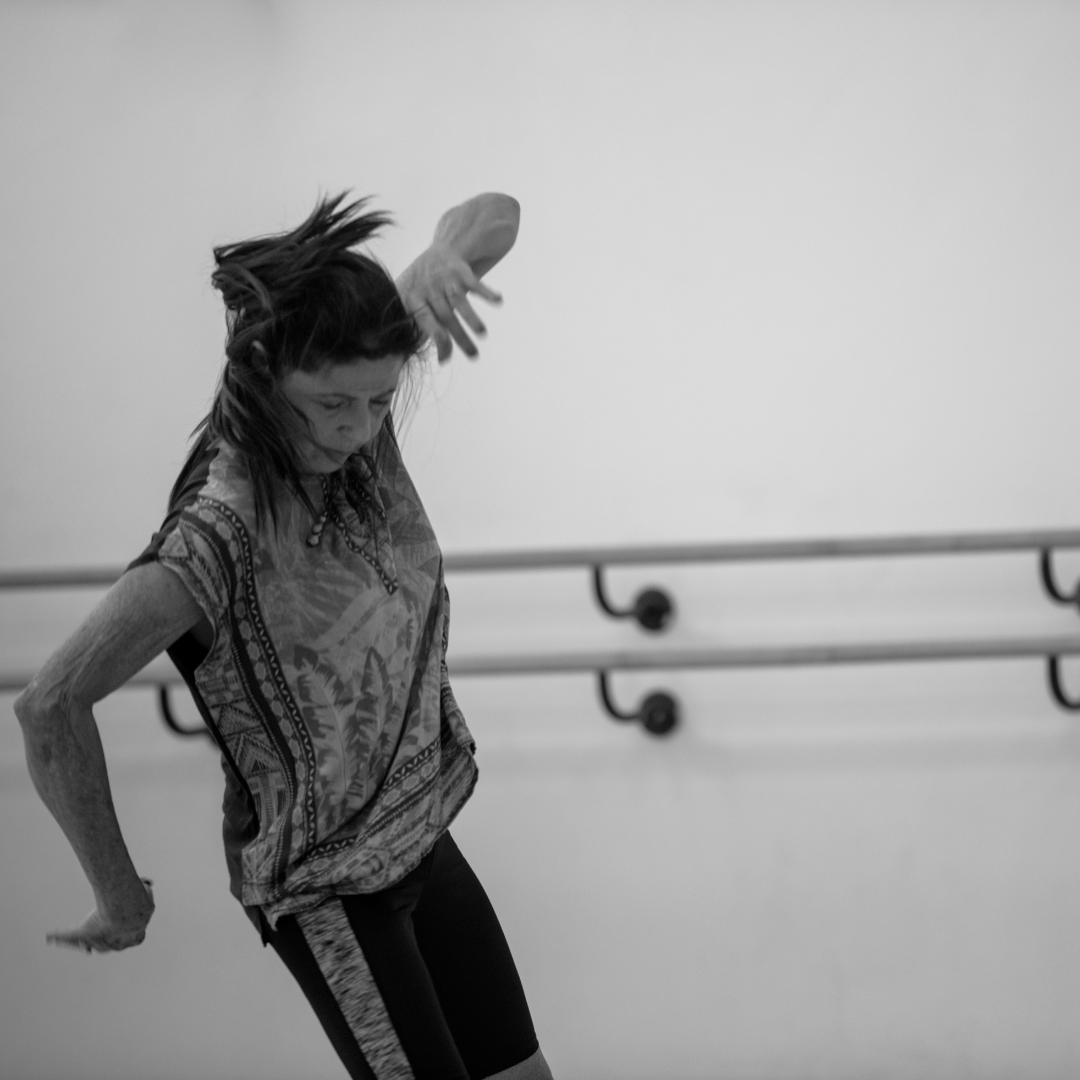
Rehearsal Materials
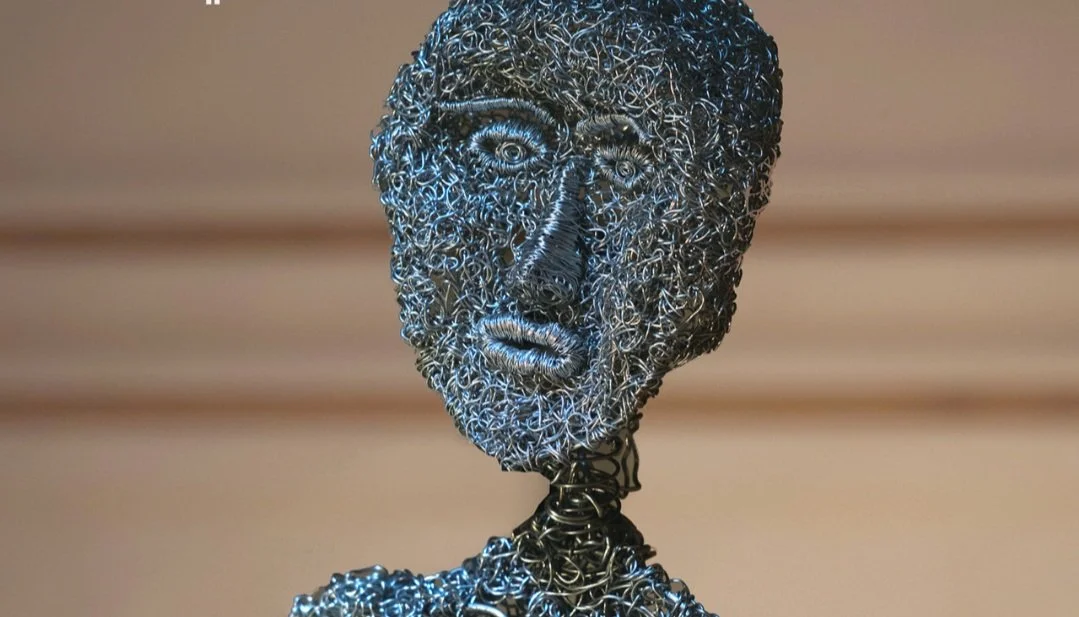
Nira Almog
A love affair with show business.
I was born in 1966 on the Hebrew date of the Purim holiday, the 8th of March on Kibbutz Baram on Israel’s northern border. Both dates are significant in my life.
I was an ordinary child. When I was 9 I got the lead role in the Hanukah play which we performed for the whole kibbutz. Overnight I became the star of the kibbutz and received many compliments about my acting. It was a real WOW! This was the beginning of my love affair with the stage which continued, uninterrupted until the age of 23 when I was accepted into the acting studies program in Tel Aviv University’s Theatre faculty.
However, the acting classes suddenly became difficult. I had inhibitions and was unable to be sincere on the stage. There was a disparity between Nira on the stage and Nira in real life. I reluctantly understood that I would not be a professional actor.
I collected the fragments of the dream and changed direction. I learnt to become a theatre teacher. I received my B.A. degree and a teaching certificate in theatre. Instead of performing I began to write and direct my students at school. I left the kibbutz and moved to Tel Aviv where I tried to fulfill another dream – to find the one and only and marry him. This dream has not yet been fulfilled.
At the age of 41, after 14 years in Tel Aviv during which I worked as a teacher and went on hundreds of failed dates, I fulfilled another dream and became a single mother to a gorgeous daughter in 2007. I took on a new and demanding position – motherhood. I returned to the kibbutz, to my extended family and my world changed completely. I grew apart from the world of theatre. I stopped directing and seeing plays.
However, as happens in love, that one loses one’s way and finds it again. And so, completely by accident, I became aware of Playback Theatre. The theatre spark was rekindled. The disparity between Nira on the stage and Nira in real life decreased. In 2012 I joined the Playback Group “Shiluvim Bagalil” led by Efrat Ashiri.
Playback theatre has led me back to myself and the stage. I felt that this was the right course for me, appropriate for my skills and where I could develop and which brings me healing. I fell in love again!
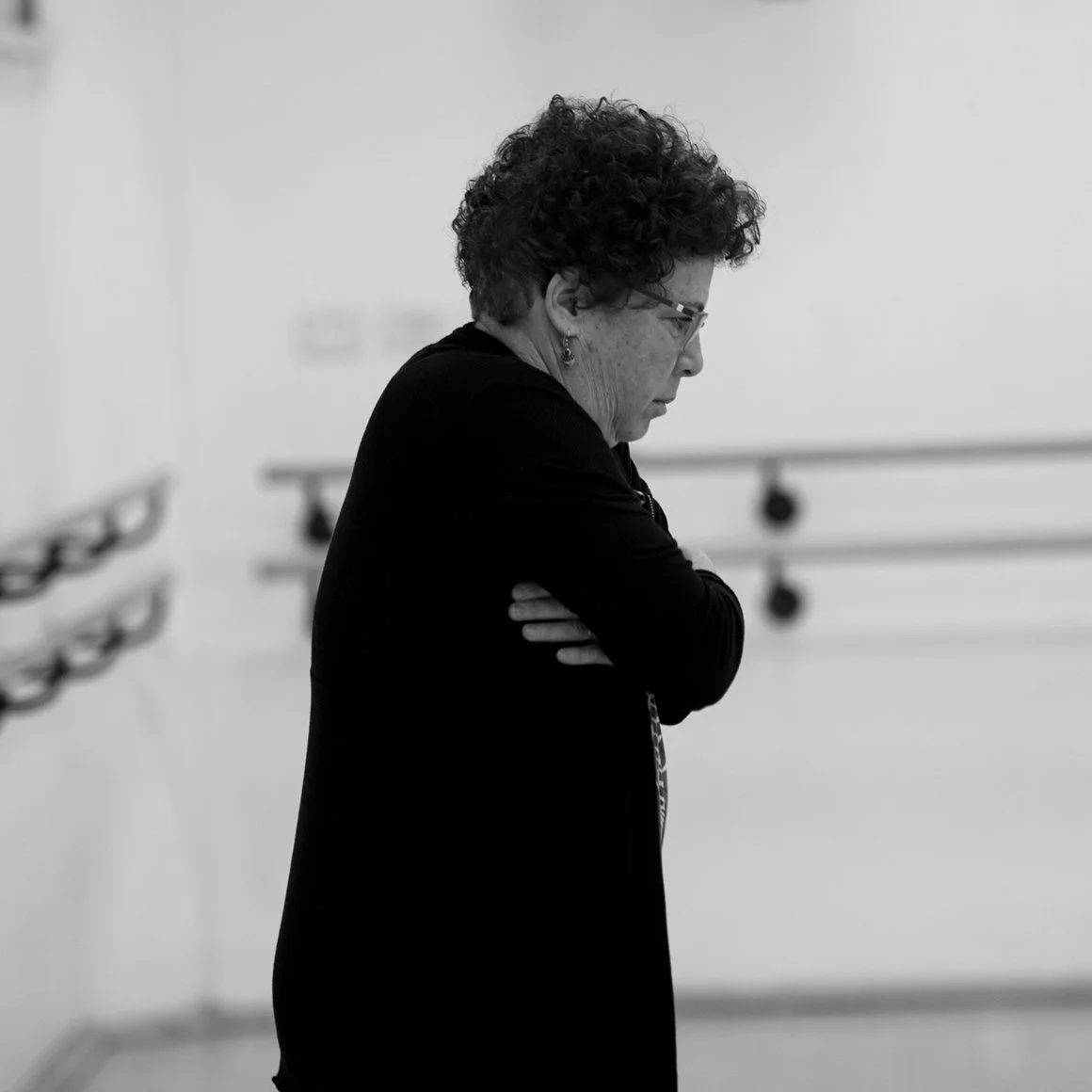
Neveen Makhoul Elias
Building bridges between Christian and Jewish communities in Israel, reviving the Aramean identity, heritage, and language, and rebuilding 1st Christian Aramaic community and town in Galilee, Kafr Bir'im in Northern Israel.
Who is Neveen? Neveen is an Aramean Christian Maronite Israeli of Gush Halav who manages the youth cultural programs of the Israeli Christian Aramaic Association (ICAA – NGO). A mother of three, Neveen invests all of her passion in the lives of current and future Aramean Maronites–keeping traditional Aramaic food and culture prevalent among her people. She is a member of the Choir at Mar Maroun Maronite Church and a dedicated protagonist for the revival of Aramaic: the language spoken by Jesus now uniquely preserved by her Christian Maronite heritage. Neveen is a staunch believer in the importance of nurturing a close relationship between Christians and Jews in Israel including encouraging Israeli Christian youth for IDF service and national service.
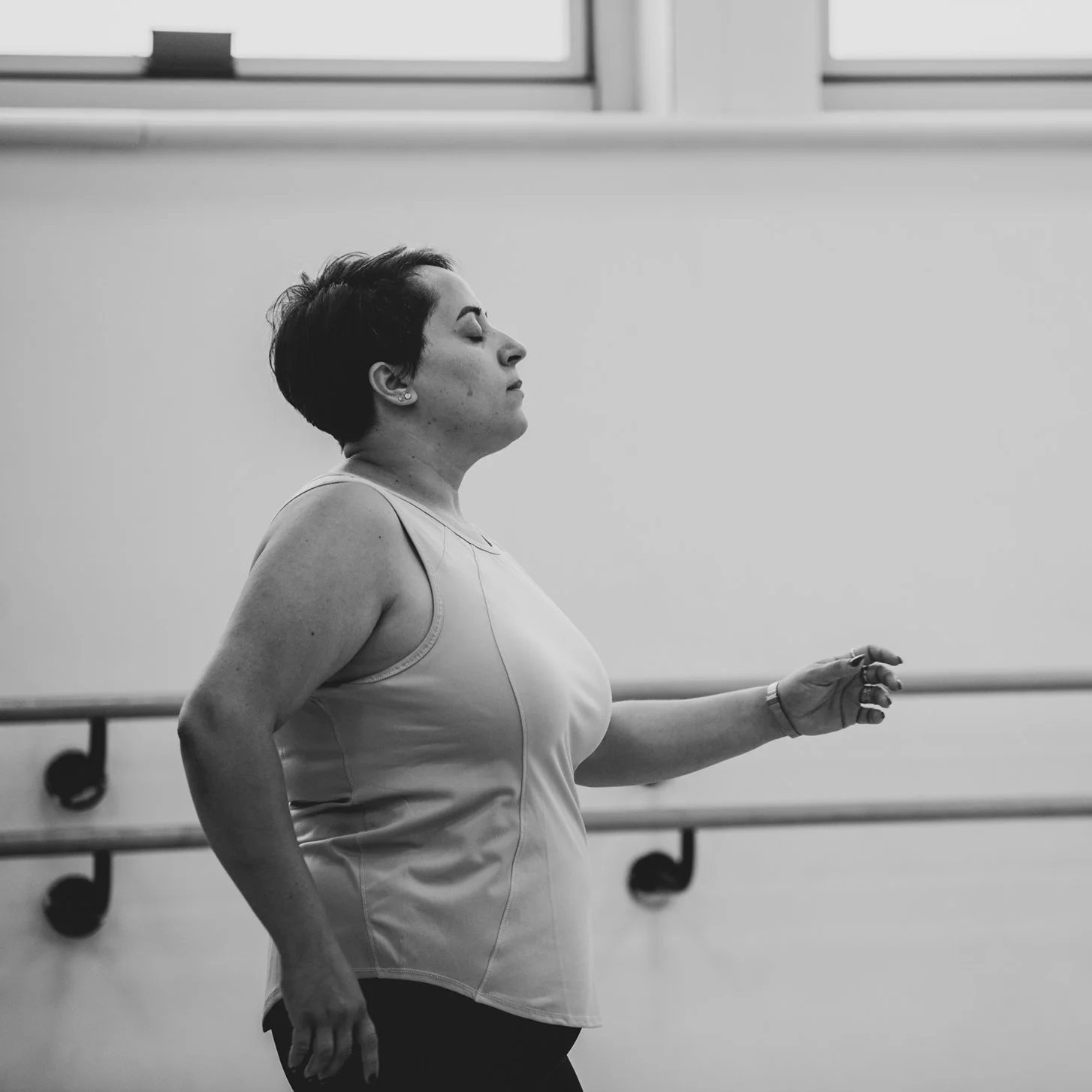
Marina Azvach
I am Marina Abzakh, 51 years old, married without children from Rehaniya a Circassian town in the Galilee.
I attended primary school in Rehaniya. In 9th grade together with some other girls from the town, I moved to study in Zfat for both junior high and high school. During high school, I joined the local Circassian folklore troupe and we performed in various places and festivals all over Israel. This was one of my formative experiences growing up.
Straight after school, I started studying at the Nursing School in the Ziv Hospital in Zfat. I completed my studies in 1992.
In the 4th year of my studies, I married my husband. We lived for 10 years in Maalot – Tarshicha and I worked in the hospital in Nahariya. In 2001 we returned to Rehaniya where we still live.
I currently work as a nurse in the well-baby clinic and a breastfeeding consultant in the Ministry of Health. Additionally, I work as a cosmetician in a part-time position and am studying Chinese medicine.
I also worked for several years as the cultural coordinator in a branch of the regional community center. Here we placed emphasis on our uniqueness and cultural connection including initiating ceremonies to mark cardinal events in the history of the Circassian people, youth delegations to Caucasia, and hosting delegations from countries with concentrations of Circassian people.
I have a profound attachment to animals and am active on their behalf in the framework of the time and possibilities available to me. I am connected emotionally to this activity and do whatever I can to save animals in distress.
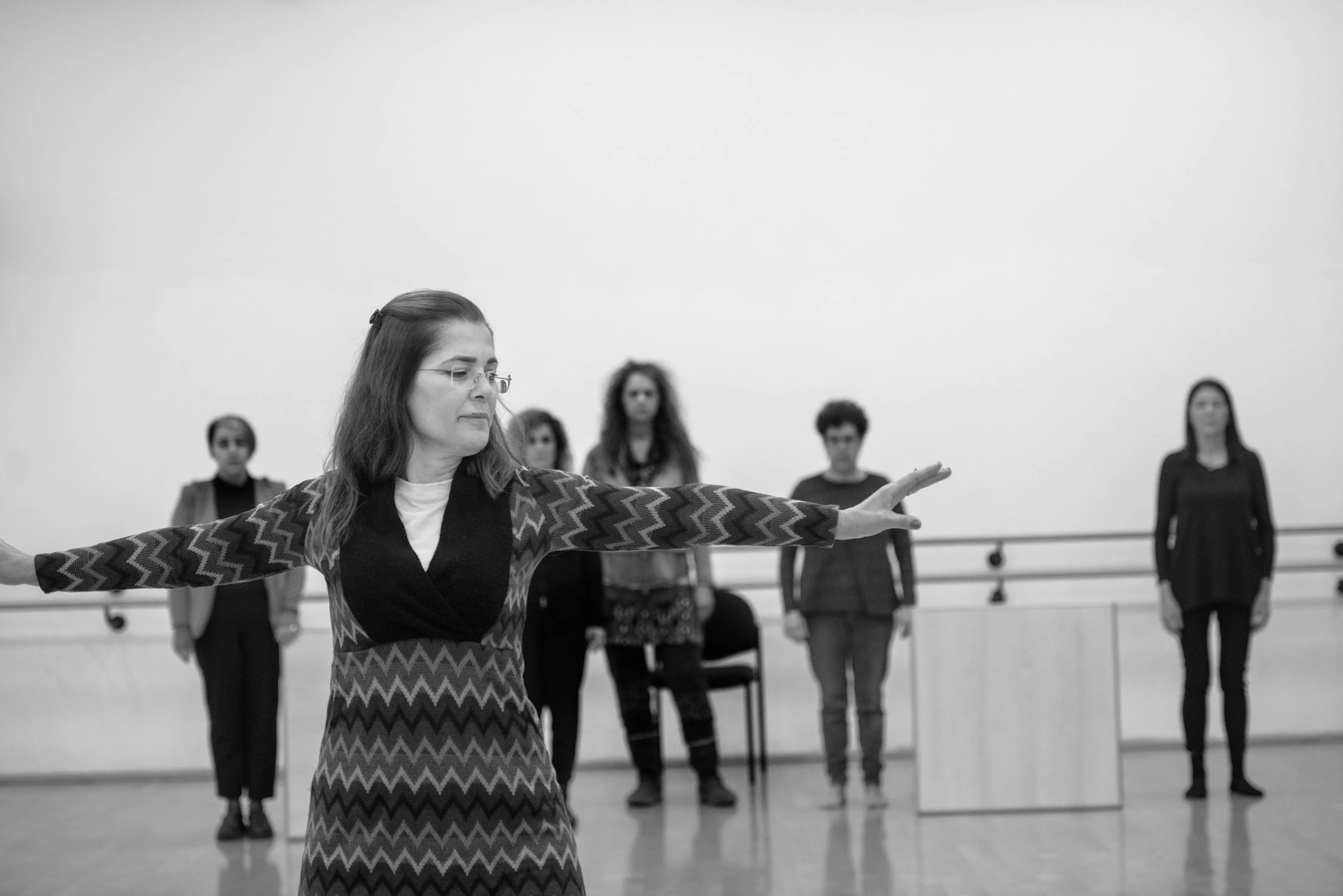
Teasers
Choreography: Michael Getman | Production: Mia Chaplin | Assistant to the choreographer and dramaturg: Yael Venezia | Research & Composing: Dániel Péter Biró | Costumes: Renee van Ginkel | Puppet and set designer:Ma'ayan Tsameret | Art objects: Ayelet Adiv | Managment: Zachi Choen | Branding & Social Media: Laetitia Boulud | International relations: Gloria De Angeli
Supported by the Clor Center for the Performing Arts (IL), The Pais Lottery Foundation (IL), The Ministry of Sport and Culture in Israel
The Choreographers Association (IL), Zygota Productions (IL), Goethe Institut (IL, DE), In collaboration with the Neue Vocalsolisten (DE)